

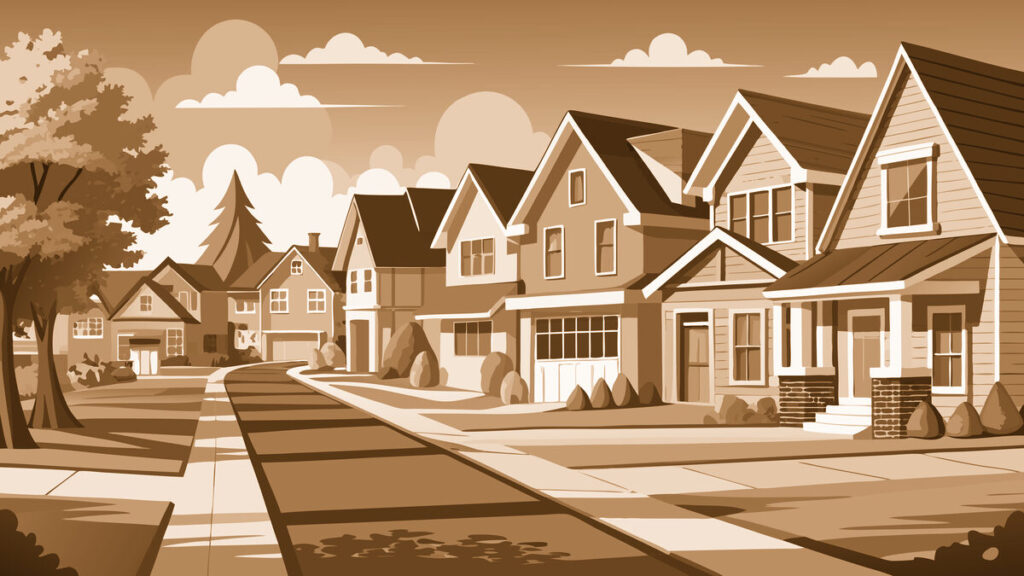
Nestled along the gentle slopes just east of downtown Smithfield, the Elk Creek neighborhood has quietly stood as a testament to heritage, resilience, and community spirit for more than a century. Today, the streets of Elk Creek—like Pine Needle Drive, Elk Creek Road, and Dove Mill Court—offer tranquil escapes, but beneath the serene atmosphere lies a rich tapestry of stories, traditions, and transformation.
Origins: From Woodlands to Welcoming Community
Before houses lined the streets and children played in the parks, this land was dense woodland, crisscrossed by winding creeks and abundant with wildlife. Local folklore suggests the presence of majestic elk herds in the early 1800s, which roamed the banks of the namesake Elk Creek—a tributary that still meanders through the neighborhood’s eastern stretch. It is from these animals and the waterway that the community would eventually draw its name.
The first documented settlers arrived in the 1860s, attracted by clear, fertile land and proximity to the Neuse River. Small farming homesteads and tobacco barns dotted what is now Stewart Drive and Buckhorn Street. In these earliest decades, Elk Creek was known less as a neighborhood and more as a collection of hardworking families, many of whom rest eternally in the shaded Oakwood Memorial Cemetery at the southern end of the district.
Naming the Neighborhood: A Nod to Nature
The naming of Elk Creek is a blend of natural observation and local legend. Oral histories, passed down by the area’s oldest families, tell of a time when a pair of elk wandered into a clearing beside the trickling creek while townsfolk gathered for a harvest festival. The sight of these rare animals—by then a novelty in North Carolina—captured imaginations. Soon, “Elk Creek” became a point of local reference, eventually adopted as the formal neighborhood name when Smithfield expanded municipal boundaries in the early 1900s.
Key Historical Milestones
Over the decades, Elk Creek has seen pivotal changes, each marking a new chapter in its ongoing story:
- 1912: The first one-room schoolhouse was erected on what is now Maple Loop, serving the children of farm families across the area.
- 1947: With the postwar boom, Elk Creek experienced its first true wave of residential development. Cape Cod and ranch-style homes appeared along Elm Vista Drive, providing affordable, comfortable living for returning veterans and their families.
- 1964: Smithfield’s decision to pave Elk Creek Road and connect it directly to Main Street spurred rapid growth. The neighborhood became more accessible and began attracting professionals working in nearby Raleigh and Goldsboro.
- 1988: Elk Creek Park, a 12-acre greenspace with walking trails and a community center, opened at the intersection of Pine Bark Trail and Willow Stone Way. It quickly became the heart of community life, hosting everything from Easter egg hunts to jazz concerts.
- 2005: Preservation efforts, led by the Elk Creek Heritage Association, successfully lobbied for the protection and restoration of two historic farmhouses on Chestnut Hollow Road, keeping tangible reminders of the past alive for future generations.
Notable Landmarks and Treasured Spaces
Elk Creek has more than its share of memorable landmarks—testaments to the pride and stewardship of its residents.
- *Elk Creek Park*: The crown jewel of the neighborhood, this park offers wooded trails along the water, picnic areas, and a playground that rings with laughter every weekend.
- *Oakwood Memorial Cemetery*: Shaded by oaks and magnolias, it’s the resting place for early pioneers and a poignant reminder of the area’s enduring legacy.
- *The Old Grist Mill*: While no longer operational, the stone foundations of the original 19th-century mill are still visible east of Creekbend Lane, offering a popular backdrop for local photographers and history buffs.
- *Elk Creek Community Center*: Housed in a building dating to the 1920s, the center is the venue for neighborhood meetings, seasonal festivals, and “story nights” where locals share folk tales and family histories.
Evolution Through the Decades
Elk Creek has evolved alongside Smithfield without losing its small-town charm. In the 1970s and ’80s, as suburban sprawl crept outward, residents rallied to maintain green spaces, leading to the creation of buffer zones and strict zoning laws. Modern Elk Creek is a blend of old and new: historic homes peacefully coexist with tasteful new construction, while preservation groups ensure that architectural details—like the classic front porches and hand-painted shutters—are retained wherever possible.
Recent decades have seen Elk Creek welcome new generations of residents, drawn by the neighborhood’s quiet beauty, proximity to schools like Smithfield-Selma High, and a strong sense of community that persists even as technology and lifestyles change. Elk Creek’s annual Heritage Day, held every September at the community center, is a celebration of both what has changed and what has endured—a lively tapestry of food, music, crafts, and the retelling of neighborhood legends.
What Makes Elk Creek Special Today
Ask any resident what they love most about Elk Creek, and you’ll hear similar answers: the whisper of wind through the pines, porch lights twinkling along Maple Loop, and neighbors who wave from their yards. The legacy of family, friendship, and stewardship remains alive. Walkers greet each other along Willow Stone Way; church groups assemble care packages at the community center; children race sticks in the waters of Elk Creek after spring rains.
Living in Elk Creek means being part of an ongoing story—one that cherishes its roots while growing ever forward. The blend of historic homes, vibrant parks, and engaged community makes this Smithfield neighborhood not just a place to live, but a place to belong.
Whether you’re paging through local history at the Smithfield Public Library or sharing lemonade at a summer block party, Elk Creek’s heart beats strong. Its past is always present, mingling with the laughter, dreams, and memories being made each day.